
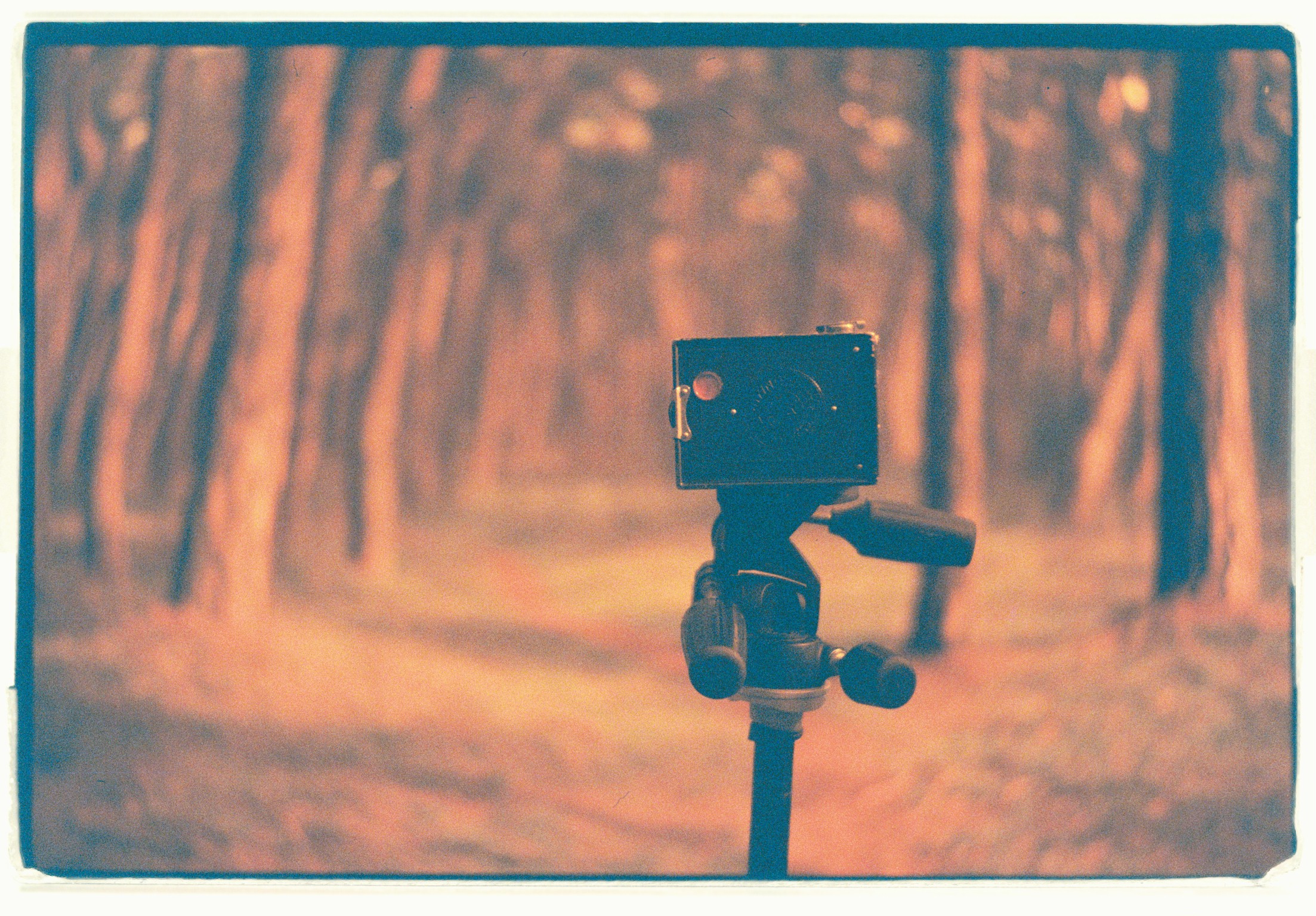
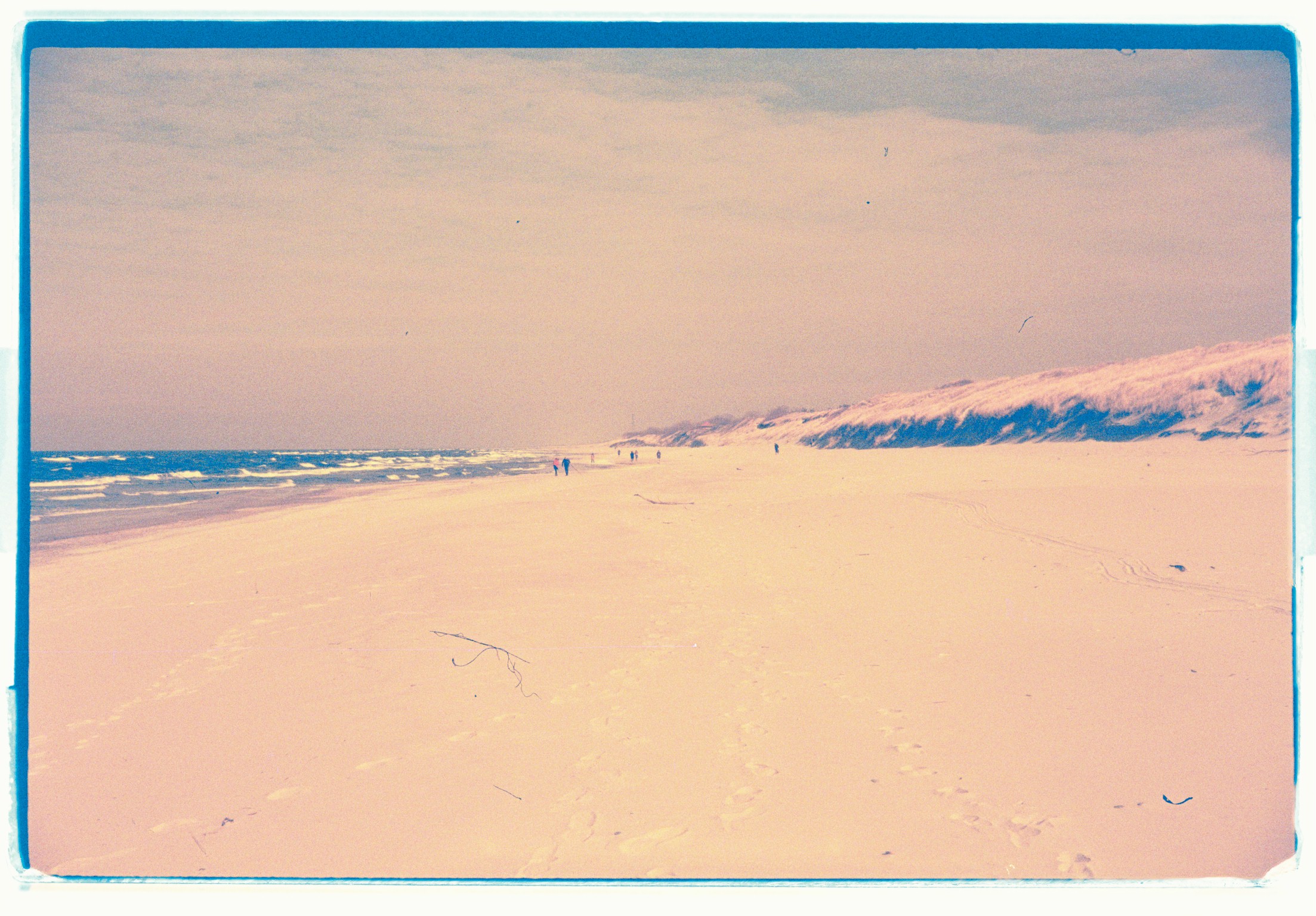
Walking Kaliningrad's borders feels like debugging reality itself. This Russian exclave, lodged between Poland and Lithuania like a stone in Europe's shoe, forces us to confront the absurdity of our geographical certainties. The photographs capture this bureaucratic vandalism, where political authority expresses itself through strategic deletion, a kind of territorial redaction where the absence speaks louder than any fence.
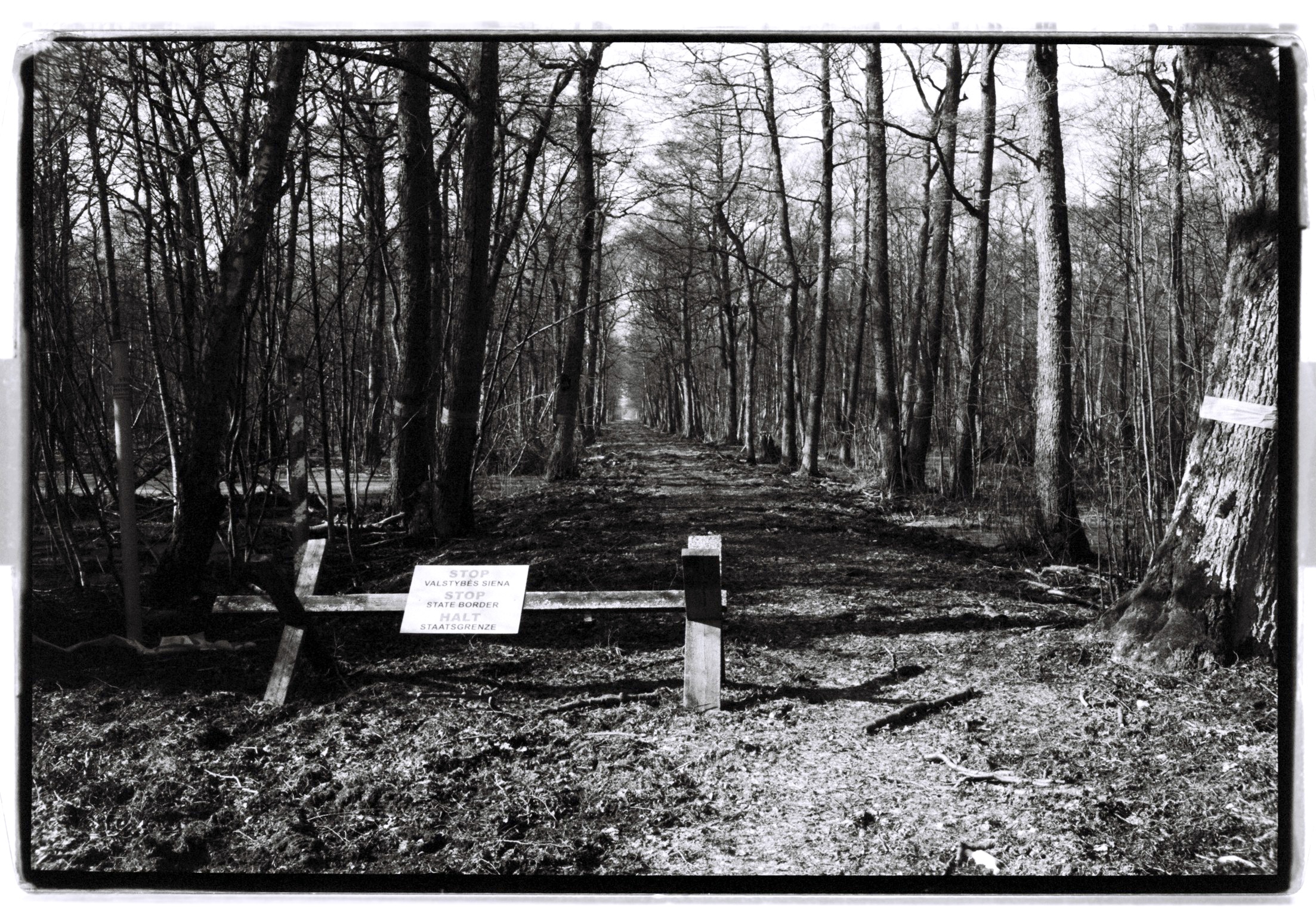
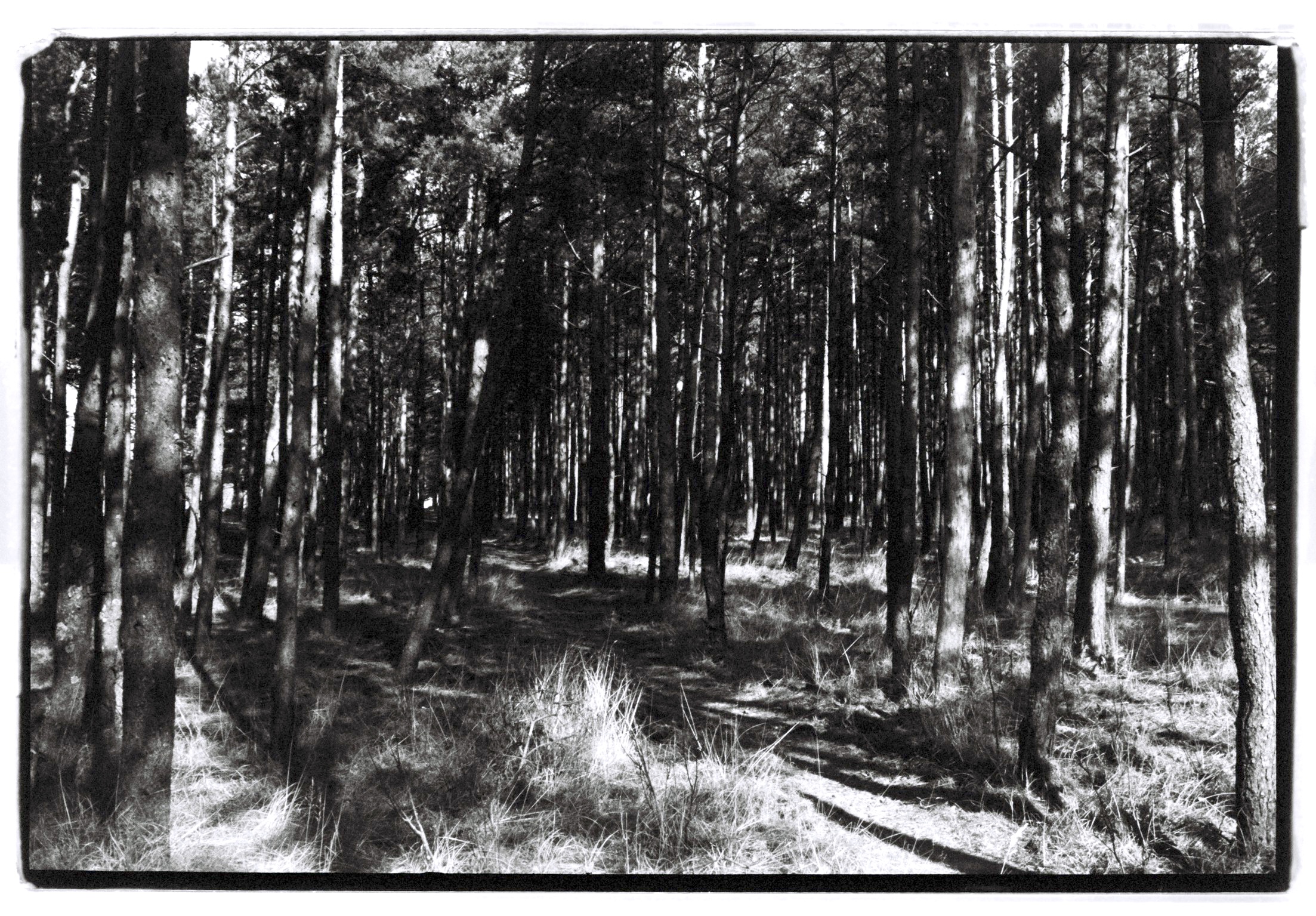
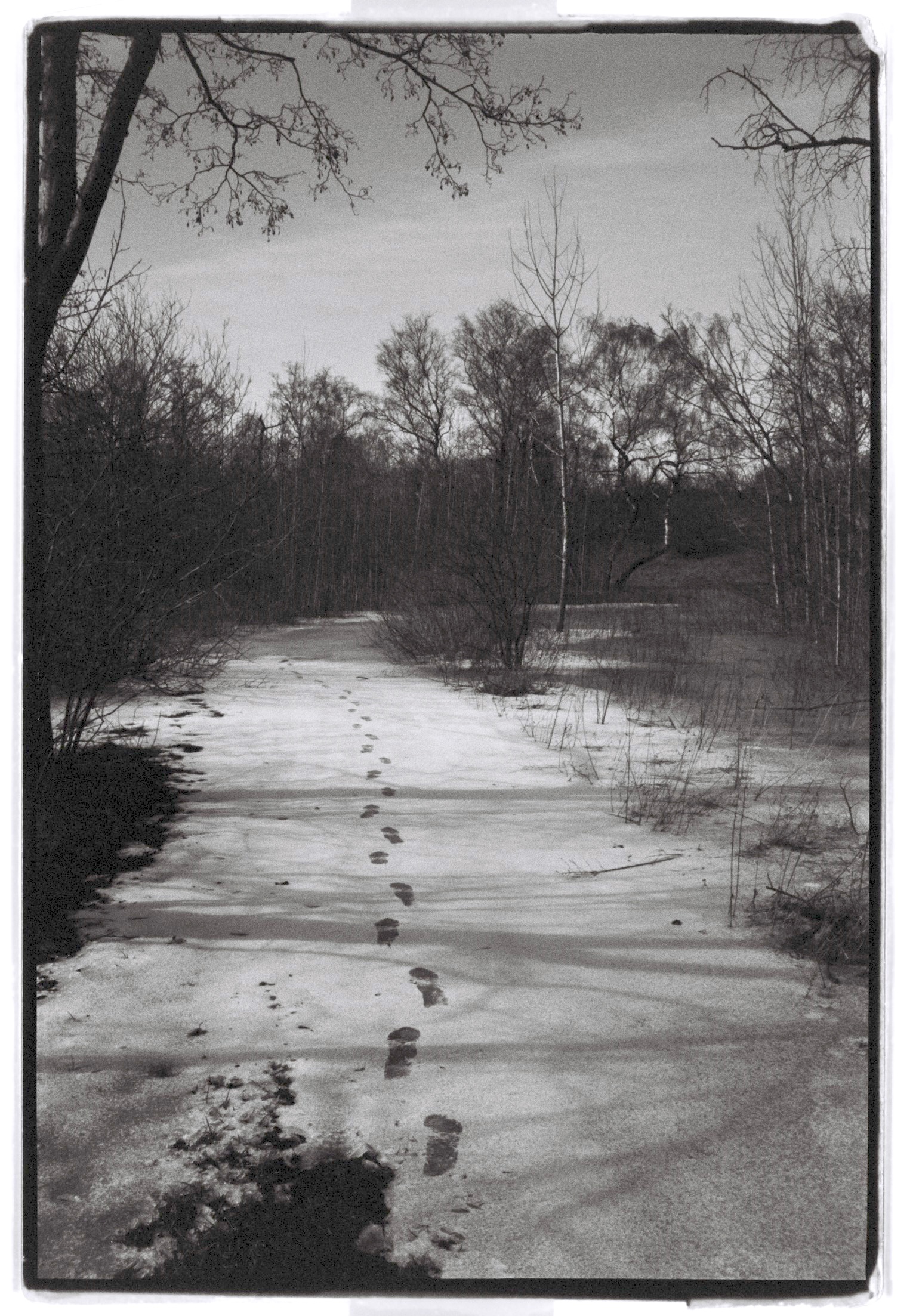
Kaliningrad resists simple categorization. Once Königsberg, easternmost city of Prussia, now Russia's westernmost outpost. Neither fully European nor entirely separate from Europe. The border here produces not merely division but a kind of ontological doubling. Every fence implies two territories, every checkpoint generates parallel queues, every restriction creates its corresponding exemption. The insular metaphor grows more complex: this represents productive alienation, where the threshold itself becomes the defining characteristic.
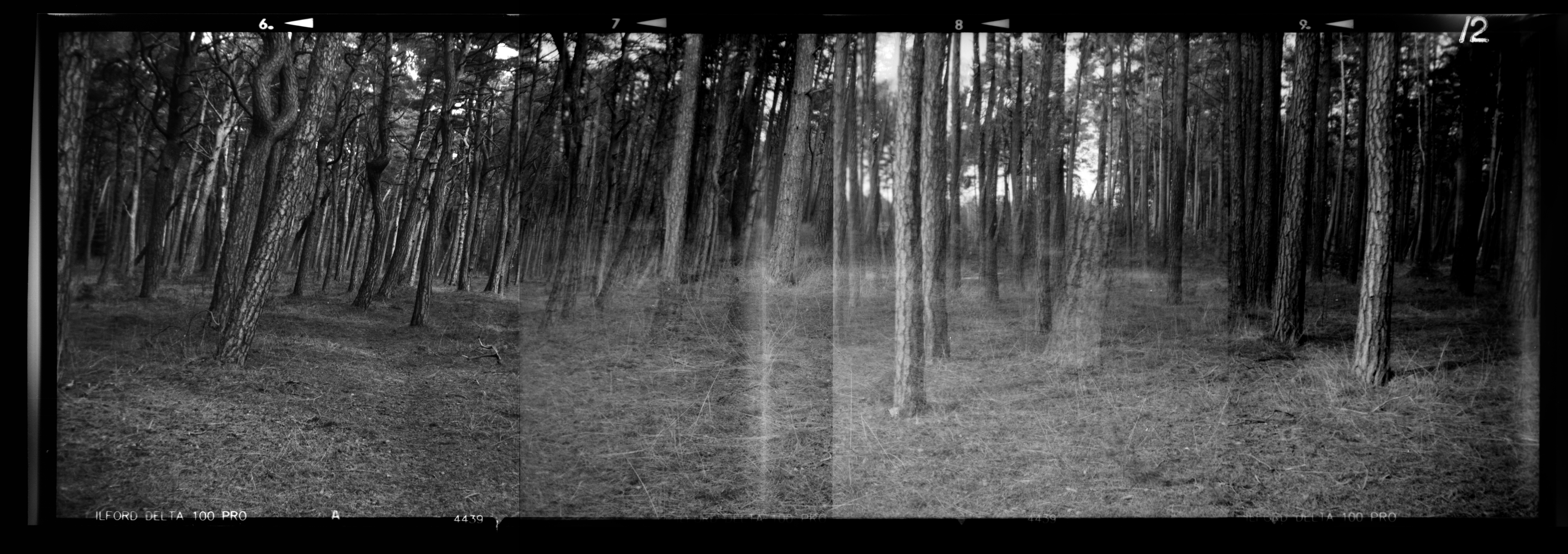
The photo essay reveals Kaliningrad as a case study in territorial dysfunction, a place where the abstract concept of "border" manifests as concrete, razor wire, and the kind of bureaucratic friction that questions whether movement itself is just a deprecated feature of human existence. Walking these edges, documenting these glitches in the continental code, the project encounters the fundamental instability of all territorial claims: the shared fiction that this dirt is fundamentally different from that dirt, that sovereignty is anything more than a particularly persistent form of magical thinking.
GUILLERMO S.
ARSUAGA is an architect (ARB, RIBA), tutor in History and Theory Studies and in
the HTC MA program at the AA, and a PhD candidate at Princeton University. He
was a Mellon-Marron Fellow at the Museum of Modern Art, New York, and is co-editor
of Sick Architecture (MIT, 2025).